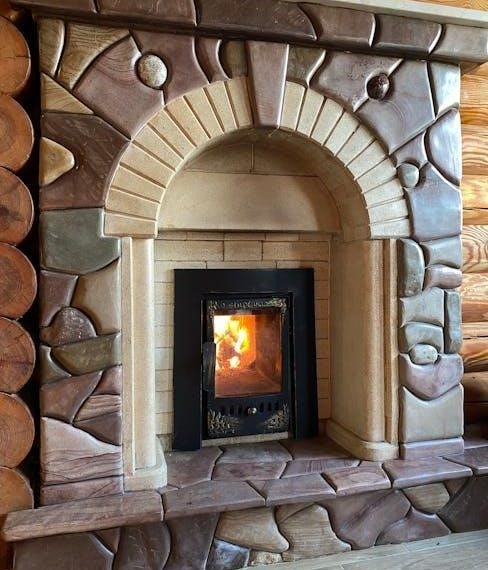
electric fireplace insert size guide
Navigating electric fireplace insert sizing is crucial for a cozy‚ realistic flame effect‚ ensuring a perfect fit and optimal heating for your home.
Understanding Electric Fireplace Inserts
Electric fireplace inserts offer a convenient and versatile way to enjoy the ambiance of a traditional fireplace without the complexities of wood burning or gas lines. Unlike full fireplaces‚ inserts are designed to fit into existing fireplace openings‚ making them ideal for retrofitting homes already equipped with a masonry fireplace.
These units typically require no venting‚ simplifying installation and expanding placement options. They operate using electricity‚ providing supplemental heat and a visual flame effect. Choosing the correct size is paramount; too small‚ and it may look disproportionate within the opening‚ while too large can pose installation challenges or safety concerns; Understanding the dimensions of your current fireplace and the insert’s specifications is the first step towards a successful installation and a beautifully enhanced living space.
Why Size Matters: Aesthetics and Functionality
The size of an electric fireplace insert dramatically impacts both the visual appeal and heating performance of your space. A properly sized insert creates a balanced focal point‚ enhancing the room’s aesthetic without overwhelming it. Conversely‚ an ill-fitting insert can appear awkward or detract from the overall design.
Functionally‚ size dictates the insert’s BTU output and‚ consequently‚ its ability to effectively heat the room. A larger insert generally provides more heat‚ suitable for bigger spaces‚ while a smaller unit is better suited for smaller areas. Selecting the right size ensures efficient heating and avoids wasting energy. Considering both visual harmony and practical heating needs is crucial for maximizing the benefits of your electric fireplace insert‚ creating a cozy and inviting atmosphere.
Standard Electric Fireplace Insert Sizes
Electric fireplace inserts are available in a wide range of sizes to accommodate various fireplace openings and room dimensions. Common widths typically fall between 23 and 30 inches‚ though options extend beyond these ranges. Heights generally span from 20 to 26 inches‚ and depths vary‚ usually between 6 and 12 inches‚ depending on the model and desired visual effect.
These standard sizes cater to most traditional fireplaces‚ but it’s essential to verify measurements before purchasing. Larger inserts‚ exceeding 30 inches in width‚ are available for expansive openings‚ while compact models‚ under 23 inches‚ suit smaller spaces. Always prioritize accurate measurements of your existing fireplace to ensure a snug and safe fit‚ maximizing both aesthetic appeal and heating efficiency.
Measuring Your Existing Fireplace Opening
Accurate measurements are paramount when selecting an electric fireplace insert. Begin by carefully measuring the width of the fireplace opening at its narrowest point‚ ensuring a precise reading. Next‚ determine the height from the bottom of the opening to the lintel – the supporting structure above. Finally‚ measure the depth‚ from the front of the opening to the back wall‚ noting any obstructions.

Record all measurements in inches. It’s crucial to measure multiple times to confirm accuracy‚ as even slight discrepancies can impact the fit. Don’t forget to account for any existing hearth or surrounding brickwork that might influence the available space. These dimensions will form the foundation for choosing an insert that fits securely and operates safely within your fireplace.
Width Measurement
Determining the width of your fireplace opening is the first critical step. Use a measuring tape and extend it across the interior of the opening at its narrowest point – often the bottom. Ensure the tape is taut and level for an accurate reading. Record this measurement in inches; it represents the maximum width your electric fireplace insert can accommodate.
It’s wise to take multiple width measurements‚ both at the top and bottom of the opening‚ to account for any irregularities. If the width varies‚ use the smallest measurement to guarantee a proper fit. Remember to subtract approximately half an inch from the final width to allow for easy installation and prevent the insert from being wedged too tightly within the opening. This ensures a secure and hassle-free setup.
Height Measurement
Accurately measuring the height of your existing fireplace opening is paramount for selecting the correct electric insert. Employ a measuring tape‚ extending it vertically from the fireplace floor to the underside of the mantel or any other obstruction above the opening. Maintain a straight‚ vertical line with the tape to ensure precision. Record this measurement in inches‚ representing the maximum height available for your insert.
Similar to width‚ take multiple height measurements across the opening‚ particularly if it isn’t perfectly rectangular. Utilize the smallest height measurement obtained to guarantee the insert will fit without issue. Deduct approximately an inch from the final height measurement to provide space for installation and proper ventilation. This allowance prevents a too-tight fit and facilitates a smoother installation process‚ ensuring optimal performance.
Depth Measurement
Determining the depth of your fireplace opening is critical‚ as electric fireplace inserts require sufficient space for installation and ventilation. Use a measuring tape to measure from the back of the fireplace opening to the furthest point of the front lip. Ensure the tape measure is held straight and level for an accurate reading. Record this measurement in inches‚ representing the available depth.
Consider any obstructions within the fireplace cavity‚ such as gas lines or dampers‚ which may reduce the usable depth. Account for these when recording your measurement. It’s wise to subtract a few inches from the total depth to allow for wiring‚ proper airflow‚ and prevent the insert from being flush with the back wall. This extra space is vital for safe and efficient operation‚ preventing overheating and ensuring longevity.

Calculating Required Clearance
Accurate clearance calculations are paramount for safe and effective electric fireplace insert installation. Manufacturers specify minimum clearances around the insert – top‚ sides‚ and bottom – to prevent overheating and potential fire hazards. These clearances are detailed in the product’s instruction manual and must be followed precisely.
Consider the materials surrounding the fireplace opening. Combustible materials like wood or drywall require greater clearances than non-combustible materials like brick or stone. Factor in any protruding features‚ such as a mantel or hearth‚ when determining clearance needs. Always err on the side of caution and provide extra space if unsure. Proper ventilation is also crucial; ensure adequate airflow around the insert for optimal performance and longevity.

Using an Electric Fireplace Size Calculator
Fortunately‚ determining the ideal electric fireplace insert size doesn’t require complex calculations! Many online retailers and manufacturers offer convenient electric fireplace size calculators. These tools simplify the process by asking for key dimensions of your existing fireplace opening – width‚ height‚ and depth – and your room’s square footage.
The calculator then suggests appropriate insert sizes based on your inputs‚ ensuring a snug and safe fit. These calculators often consider BTU output recommendations for your room size‚ helping you choose an insert that provides adequate heat. Remember to double-check the calculator’s recommendations against the manufacturer’s specifications for your chosen model. Utilizing these tools streamlines the selection process and minimizes the risk of purchasing an ill-fitting insert.
BTU Output and Room Size
BTU (British Thermal Units) measure an electric fireplace’s heating capacity; selecting the right BTU output is vital for comfortable and efficient heating. A general rule is to calculate 10 BTU per square foot of living space. Therefore‚ a 200-square-foot room would ideally require a 2‚000 BTU fireplace insert.
However‚ this is a baseline – several factors influence the necessary BTU output. Consider ceiling height; rooms with higher ceilings require more BTUs to distribute heat effectively. Insulation levels also play a role; poorly insulated rooms need higher BTU ratings. Don’t overestimate BTU output‚ as it can lead to overheating. Prioritize matching the BTU to your room’s specific needs for optimal comfort and energy efficiency;

Matching BTU to Square Footage
Determining the appropriate BTU output begins with calculating your room’s square footage – simply multiply length by width. A common guideline suggests 10 BTU per square foot for adequate heating. Thus‚ a 150-square-foot room typically needs a 1‚500 BTU fireplace insert. However‚ this is a starting point‚ not a definitive answer.
For larger rooms exceeding 200 square feet‚ consider increasing the BTU per square foot slightly‚ perhaps to 12-15 BTU‚ to ensure sufficient warmth. Conversely‚ smaller rooms under 100 square feet may require less than 10 BTU per square foot. Always prioritize a balanced approach‚ avoiding excessive BTU output that could lead to discomfort and wasted energy. Accurate square footage calculation is the foundation for effective BTU matching.
Considering Ceiling Height
Standard BTU-to-square-footage calculations assume average ceiling heights of around eight feet. However‚ rooms with significantly higher ceilings – nine feet or more – require a BTU adjustment. Increased volume necessitates more heat to effectively warm the space‚ as warm air rises and dissipates more quickly.
For rooms with high ceilings‚ increase the BTU output by approximately 10-20% compared to the standard calculation. Conversely‚ rooms with lower ceilings (under seven feet) may require a slight reduction in BTU output. Consider the room’s insulation quality; poorly insulated rooms will lose heat faster‚ demanding a higher BTU rating. Accurately assessing ceiling height and insulation is vital for optimizing heating efficiency and comfort.
Visual Adjustments for Perceived Size
If you’re working with an existing fireplace or have limited size options‚ several techniques can visually alter the perceived size of your electric fireplace insert. A larger mantelpiece immediately draws the eye upward‚ making the fireplace appear grander and more substantial. Decorative surrounds‚ crafted from stone‚ brick‚ or wood‚ add visual impact and frame the insert beautifully.
Built-in shelving flanking the fireplace creates a larger focal point‚ integrating the insert into a cohesive design. Strategic use of mirrors or reflective materials can enhance the fireplace’s presence‚ bouncing light and creating an illusion of spaciousness. Thoughtful lighting techniques‚ such as accent lights‚ can draw attention to the fireplace‚ emphasizing its features and warmth. These adjustments can significantly improve the aesthetic balance.
Utilizing Mantels
A well-chosen mantel is a powerful tool for visually adjusting the perceived size of an electric fireplace insert. Opting for a larger mantel immediately draws the eye upward‚ creating an impression of greater height and overall grandeur. The mantel’s style should complement both the insert and the room’s décor‚ enhancing the fireplace as a focal point.
Consider the mantel’s depth; a deeper mantel provides a more substantial presence‚ while a shallower one maintains a sleeker look. The material also plays a role – wood adds warmth‚ while stone or brick offers a more rustic aesthetic. Ensure adequate clearance between the mantel and the insert to comply with safety regulations and prevent overheating. A properly sized and styled mantel can transform a modest insert into a stunning centerpiece.

Decorative Surrounds
Employing a decorative surround is an excellent method to increase the visual impact of your electric fireplace insert‚ particularly if working with a smaller opening. Surrounds extend beyond the fireplace’s immediate frame‚ creating a more substantial and defined presence within the room. Materials range from classic brick and stone to modern tile and sleek metal‚ allowing for customization to match any interior design.
The surround’s design can dramatically alter the perceived size; bolder patterns and contrasting colors draw attention‚ making the fireplace appear larger. Consider the surround’s height and width – extending these dimensions creates a more imposing focal point. Ensure the surround complements the insert’s style and doesn’t obstruct ventilation requirements. A thoughtfully chosen surround elevates the fireplace from a simple appliance to a captivating architectural feature.
Built-in Shelving
Integrating built-in shelving around your electric fireplace insert is a fantastic way to create a larger‚ more impactful focal point within the room. Shelving flanks the fireplace‚ visually expanding its presence and offering valuable storage or display space. This approach is particularly effective when dealing with a smaller insert or limited wall space.
Consider symmetrical shelving arrangements for a balanced aesthetic‚ or opt for asymmetrical designs for a more contemporary look. Shelves can house decorative items‚ books‚ or even media components‚ further enhancing the fireplace’s role as a central entertainment hub. Ensure the shelving doesn’t impede ventilation or access to the insert for maintenance. Thoughtfully designed built-in shelving transforms the fireplace area into a cohesive and visually appealing feature.
Installation Considerations
Proper installation is paramount for the safe and efficient operation of your electric fireplace insert. While generally simpler than traditional fireplaces‚ careful attention to detail is crucial. Begin by thoroughly reviewing the manufacturer’s instructions‚ as specific models may have unique requirements. Ensure the electrical outlet is appropriately grounded and can handle the insert’s wattage.
Consider the structural integrity of your existing fireplace opening; it should be sound and capable of supporting the insert’s weight. If you’re unsure about any aspect of the installation‚ it’s always best to consult a qualified electrician or fireplace professional. Securely position the insert within the opening‚ ensuring it’s level and stable. Double-check all connections before powering on the unit for the first time.
Ventilation Requirements
Unlike wood-burning or gas fireplaces‚ electric fireplace inserts generally do not require traditional venting. This is a significant advantage‚ simplifying installation and expanding placement options. However‚ adequate ventilation around the insert is still essential to prevent overheating and ensure optimal performance.
Manufacturers specify minimum clearance requirements in their installation manuals – strictly adhere to these guidelines. Avoid obstructing airflow to and from the unit by blocking vents or tightly enclosing the insert. Proper airflow allows the internal components to operate efficiently and safely. While not a combustion process‚ electric fireplaces generate heat‚ and sufficient ventilation dissipates this heat effectively‚ prolonging the lifespan of the appliance and maintaining a safe operating temperature.
Safety Precautions
Prioritizing safety during electric fireplace insert installation and operation is paramount. Always disconnect power before any maintenance or cleaning. Never operate the insert with a damaged cord or plug‚ and avoid using extension cords whenever possible; direct connection to a grounded outlet is best.
Keep flammable materials – curtains‚ furniture‚ paper – a safe distance from the insert’s heating elements. Supervise children and pets around the fireplace‚ as the surface can become hot. Regularly inspect the unit for any signs of damage or malfunction. If you notice unusual smells‚ sounds‚ or sparks‚ immediately discontinue use and consult a qualified technician. Following manufacturer’s instructions and exercising common sense will ensure a warm and worry-free experience.
Choosing Between Inserts and Full Fireplaces
Deciding between an electric fireplace insert and a full electric fireplace hinges on your existing setup and desired aesthetic. Inserts are designed for existing fireplace openings‚ offering a cost-effective way to upgrade without extensive renovation. They require no venting‚ simplifying installation‚ but size is limited by the opening.

Full electric fireplaces‚ conversely‚ offer greater flexibility in size and style. You wouldn’t need to retrofit them‚ and they’re available in larger dimensions. They’re ideal for new construction or rooms lacking a traditional fireplace. While inserts repurpose existing structures‚ full fireplaces provide a standalone focal point. Consider your space‚ budget‚ and desired level of customization when making your choice.
Where to Find Size Charts and Guides
Numerous online resources offer comprehensive electric fireplace insert size charts and guides to aid your selection process. Retailer websites‚ such as those specializing in fireplaces‚ frequently provide detailed dimension specifications for their products. Manufacturer websites are also invaluable‚ often including downloadable guides and installation manuals with precise sizing information.
Additionally‚ home improvement websites and forums dedicated to home décor often host discussions and shared experiences regarding fireplace insert sizing. Look for articles breaking down sizing‚ BTU output‚ and installation considerations. Utilizing these resources ensures you have access to the latest information and can confidently choose an insert that perfectly complements your space and heating needs.
Troubleshooting Size Selection
If you’re struggling with size selection‚ revisit your initial measurements and double-check for accuracy. Ensure you’ve accounted for all necessary clearances‚ including depth for ventilation and height for the mantel. Consider if visual adjustments‚ like a larger mantel or decorative surround‚ can compensate for a slightly smaller insert.
If the insert seems too large‚ explore options with shallower depths or reduced widths. Conversely‚ if it appears too small‚ investigate if a larger model will fit with minor adjustments to the surrounding area. Don’t hesitate to consult with a fireplace professional for personalized advice; they can assess your space and recommend the optimal size for both aesthetics and functionality.