
ryobi 3000 psi pressure washer manual
Ryobi 3000 PSI Pressure Washer Manual: A Comprehensive Guide
This manual provides essential guidance for the RY803001, a 3000 PSI pressure washer, ensuring safe and effective operation. Ryobi delivers dependable, easy-to-use power washing solutions.
The Ryobi RY803001 3000 PSI Pressure Washer represents a significant offering within Ryobi’s expanding line of cleaning solutions. Ryobi, a well-established and trusted brand in power tools and lawn equipment, has successfully broadened its presence in the pressure washer market, providing a range of options from compact models to robust, gas-powered units. This particular model, delivering 3000 PSI, is designed for tackling a variety of cleaning tasks around the home and property.
This manual serves as a comprehensive resource for understanding, operating, and maintaining your RY803001. It details crucial safety precautions, component identification, and step-by-step instructions for assembly and operation. Ryobi emphasizes high standards for dependability, ease of operation, and, most importantly, operator safety. Before first use, carefully review this manual to ensure optimal performance and longevity of your pressure washer. Access to this guide, along with other resources, demonstrates Ryobi’s commitment to customer support and satisfaction.
Understanding Pressure Washer Specifications: 3000 PSI & GPM
The Ryobi RY803001 is rated at 3000 PSI (pounds per square inch), a key indicator of its cleaning power. PSI measures the force of the water stream; higher PSI equates to a more intense cleaning capability, effective for removing stubborn dirt, grime, and mildew from surfaces. However, PSI isn’t the sole determinant of cleaning effectiveness. GPM, or Gallons Per Minute, represents the volume of water delivered.
GPM dictates the area coverage and rinsing efficiency. A higher GPM allows for quicker cleaning of larger surfaces. The RY803001’s specifications balance PSI and GPM to provide a versatile cleaning experience. Understanding these specifications is crucial for selecting the appropriate nozzle and pressure setting for different cleaning tasks. Using excessive pressure can damage delicate surfaces, while insufficient pressure may not effectively remove dirt. Always refer to the manual for guidance on matching PSI and GPM to the specific cleaning application.
Safety Precautions Before Operation
Prior to operating the Ryobi RY803001, several safety precautions must be observed. Always disconnect the pressure washer from the power supply before any maintenance or part replacement. Never use the pressure washer without reading and understanding the complete operator’s manual. Wear safety glasses or goggles to protect your eyes from debris. Avoid spraying electrical components or outlets with the high-pressure water stream.
Ensure the work area is clear of people and pets. Never point the wand at yourself or others. Use only cold water; hot water can damage the pump. Inspect the hose for any damage before each use. Be mindful of the recoil force of the wand and maintain a firm grip. Avoid operating the pressure washer in enclosed spaces, as exhaust fumes can be dangerous. Always follow the manufacturer’s recommendations for detergent usage. Failure to adhere to these safety guidelines could result in serious injury.
Component Identification: Parts List
The Ryobi RY803001 3000 PSI pressure washer consists of several key components. These include the high-pressure hose, crucial for delivering water to the spray wand. The spray wand itself features quick-connect nozzles for versatile cleaning. A detergent tank with a soap dispenser allows for efficient application of cleaning solutions. The trigger gun controls the water flow, while the pump generates the necessary pressure.
Further components encompass the motor (or engine, if gas-powered), responsible for powering the pump. The frame provides stability during operation. Identical Ryobi replacement parts are essential for maintaining performance and safety. A crucial element is the water inlet adapter, connecting to the water supply. Don’t forget the various nozzles, each offering a different spray pattern. Finally, the hose storage feature aids in organization. Refer to the operator’s manual for a detailed, illustrated parts list and corresponding diagrams for easy identification.

Assembly Instructions: Step-by-Step Guide
Begin by attaching the high-pressure hose to both the pump and the spray gun, ensuring a secure connection. Next, connect the spray wand to the trigger gun, again verifying a firm fit. Attach the desired nozzle to the spray wand – remember to select the appropriate nozzle for your cleaning task. Now, carefully mount the handle to the main unit, tightening any necessary bolts.
If applicable, install the wheels according to the manual’s instructions. Connect the detergent tank, ensuring the siphon tube reaches the bottom of the tank. Finally, double-check all connections for tightness and proper alignment. Before operation, review the quick reference guide for a visual overview. Always refer to the complete operator’s manual for detailed diagrams and safety precautions during assembly. Proper assembly is crucial for optimal performance and preventing potential hazards.

Connecting the Water Supply
Before connecting, ensure your water source provides at least 20 PSI of water pressure. Attach a standard garden hose to the water inlet on the pressure washer pump. It’s crucial to use a clean hose, free from debris, to prevent damage to the pump. Fully open the water supply valve at the faucet.
Check for any leaks at the connection point between the hose and the pressure washer. If leaks are present, tighten the connection or replace the washer. Never operate the pressure washer without a connected water supply, as this can cause severe damage to the pump. Use cold water only; hot water can damage the internal components. Disconnect the pressure washer from the power supply before making any water supply adjustments. Refer to the operator’s manual for specific diagrams and troubleshooting tips related to water supply issues.
Powering On and Starting the Pressure Washer

Before powering on, double-check the water supply connection and ensure it’s fully open. Verify all high-pressure hoses are securely connected. Plug the pressure washer into a grounded electrical outlet, matching the voltage requirements specified in the manual. Turn the power switch to the “ON” position.
Most Ryobi 3000 PSI models feature a trigger-controlled start. Squeeze the trigger on the spray gun to initiate the engine (if gas-powered) or activate the pump (if electric). If the engine doesn’t start, consult the engine manual for specific starting procedures. Allow the pressure washer to run for a few seconds to prime the pump before use. Never leave the pressure washer unattended while running. Disconnect from the power supply when not in use. Always refer to the operator’s manual for detailed instructions and safety precautions.
Nozzle Selection and Usage
The Ryobi 3000 PSI pressure washer comes equipped with a variety of nozzles, each designed for specific cleaning applications. A 0-degree nozzle delivers a concentrated, powerful stream ideal for stubborn dirt and grime, but use with caution as it can damage surfaces. A 15-degree nozzle offers a more moderate spray for general cleaning tasks.
The 25-degree nozzle is suitable for wider areas and less demanding cleaning, while the 40-degree nozzle provides a gentle spray for delicate surfaces like painted wood. A soap nozzle creates a low-pressure spray for applying detergents. Always select the appropriate nozzle based on the surface you’re cleaning and the level of dirt. Begin with a wider angle nozzle and gradually increase the pressure if needed; Regularly inspect nozzles for clogs and clean them as necessary to maintain optimal performance.
Adjusting Pressure Settings
The Ryobi 3000 PSI pressure washer allows for adjustable pressure settings, providing versatility for various cleaning tasks. Understanding how to modify the pressure is crucial for preventing damage to surfaces and achieving optimal cleaning results. Typically, pressure adjustment is achieved through a combination of nozzle selection and a pressure regulator dial, if equipped on your specific model.
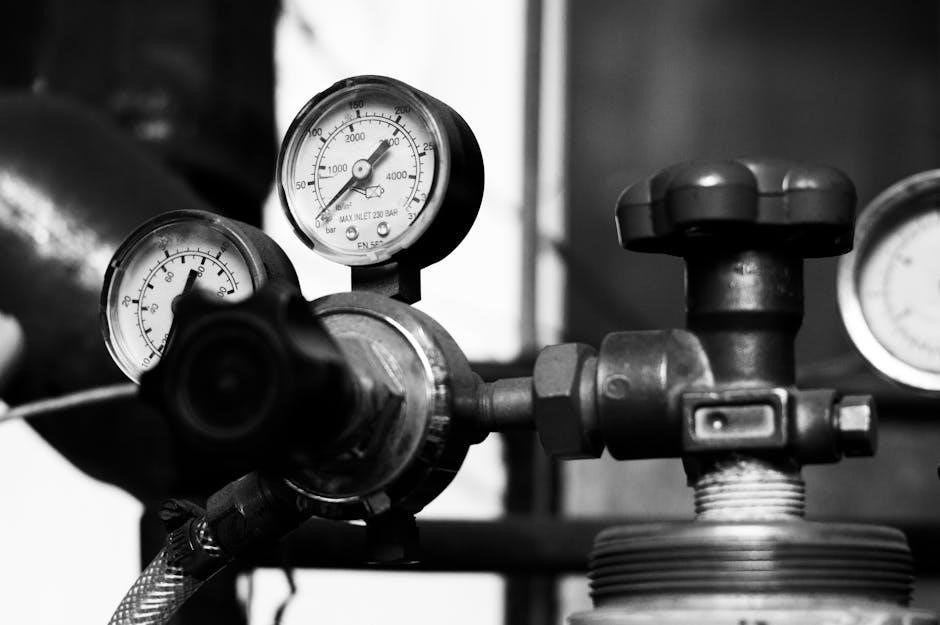
Start with the lowest pressure setting and gradually increase it until the desired cleaning power is reached. For delicate surfaces like car paint or soft wood, use a wider nozzle (40-degree) and a lower pressure setting. For tougher jobs like concrete driveways, a narrower nozzle (15-degree or 0-degree) and higher pressure may be necessary. Always test the pressure on an inconspicuous area first to ensure it doesn’t cause damage. Regularly check the pressure gauge, if present, to monitor the output.
Detergent Application: Soap Dispenser Usage

The Ryobi 3000 PSI pressure washer features a built-in detergent application system for enhanced cleaning power. To utilize the soap dispenser, first, ensure you are using a detergent specifically formulated for pressure washers. Pour the detergent into the designated detergent tank, avoiding overfilling. The tank’s capacity is typically marked on the container.
Next, select a low-pressure nozzle (typically a 40-degree or soap nozzle) as high pressure can damage the dispenser and reduce detergent effectiveness. Adjust the detergent flow rate using the control knob, usually located near the tank. Start with a lower setting and increase as needed. Remember to disconnect the pressure washer from the power supply before filling or adjusting the detergent tank. Always rinse the detergent tank thoroughly after each use to prevent clogging and ensure optimal performance. Use cold water only for detergent application.
Operating Techniques for Different Surfaces
Achieving optimal cleaning results with your Ryobi 3000 PSI pressure washer requires adapting your technique to the surface being cleaned. For delicate surfaces like painted wood, utilize a wider nozzle (40-degree or soap nozzle) and maintain a greater distance – at least 18 inches – to prevent damage. For tougher grime on concrete or brick, a narrower nozzle (25-degree or even 15-degree) and closer proximity can be employed, but test a small, inconspicuous area first.
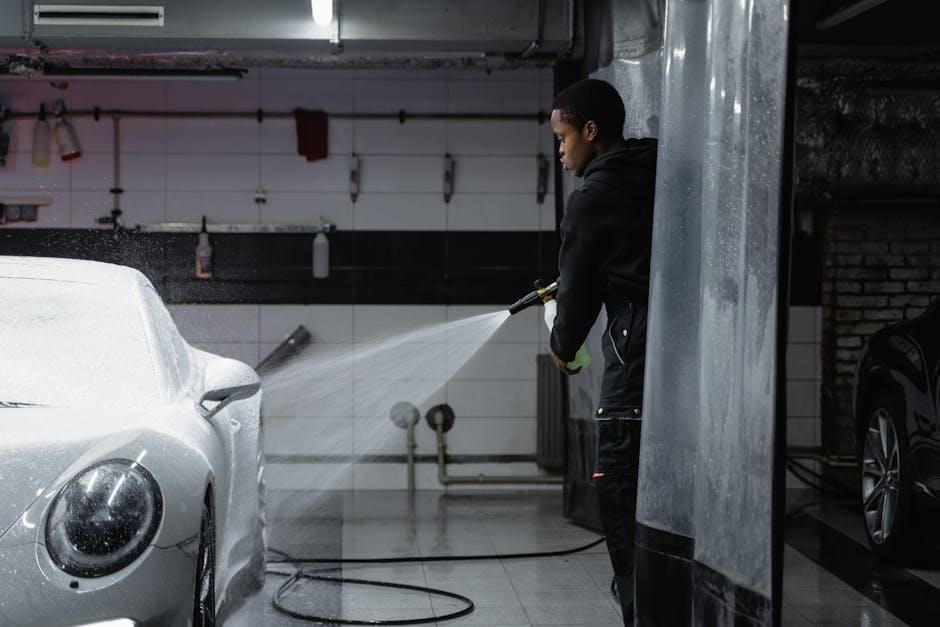
When cleaning vehicles, always use the widest nozzle and maintain a significant distance to avoid stripping paint or damaging the finish. For vertical surfaces, work from the bottom up to prevent streaking. Remember to rinse thoroughly after applying detergent. Avoid directing the spray directly at electrical outlets or sensitive components. Always prioritize safety and adjust pressure settings accordingly to protect both the surface and yourself.
Maintenance Schedule: Regular Checks
To ensure the longevity and optimal performance of your Ryobi 3000 PSI pressure washer, a consistent maintenance schedule is crucial. After each use, inspect the high-pressure hose for any cracks, abrasions, or leaks. Check the nozzles for clogs and clean them as needed. Regularly examine the water inlet filter and remove any debris to maintain consistent water flow.
Every 25 hours of operation, or at least annually, inspect the engine oil level (if applicable) and replenish if necessary, referencing the engine manual for specific requirements. Check for loose bolts or connections and tighten them securely. Periodically inspect the detergent tank and lines for blockages. Store the unit in a clean, dry environment to prevent corrosion. Following these simple checks will help prevent costly repairs and ensure reliable operation for years to come.
Cleaning and Storing the Pressure Washer
Proper cleaning and storage are vital for maintaining your Ryobi 3000 PSI pressure washer’s performance and extending its lifespan. After each use, flush the pump with clean water to remove any remaining detergent or debris. Wipe down the exterior surfaces with a damp cloth to prevent buildup. Before long-term storage, completely drain all water from the pump, hose, and detergent tank to prevent freezing damage.
Roll up the high-pressure hose neatly and hang it on the back of the machine for convenient storage. Store the unit in a clean, dry, and frost-free location. Protect it from direct sunlight and extreme temperatures. Ensure the power cord is also stored safely, avoiding any strain or damage. Following these steps will ensure your pressure washer is ready for its next use, providing years of reliable service.
Troubleshooting Common Issues
If your Ryobi 3000 PSI pressure washer isn’t starting, first check the power supply and ensure the unit is properly connected. Low pressure could indicate a clogged nozzle – try cleaning or replacing it. If the engine won’t start (for gas models), consult the separate engine manual for specific troubleshooting steps related to fuel, spark plug, or air filter issues.
Unusual noises may signal a problem with the pump or motor; discontinue use and investigate. Detergent isn’t being drawn? Verify the soap dispenser is correctly connected and the detergent supply isn’t blocked. Always disconnect the power supply before attempting any repairs or inspections. Remember to use only identical Ryobi replacement parts to avoid creating hazards or causing product damage. Refer to the full operator’s manual for detailed diagrams and further assistance.
Replacing Parts: Using Identical Ryobi Replacements
Maintaining your Ryobi 3000 PSI pressure washer requires occasional part replacement. Always use identical Ryobi replacement parts to ensure compatibility, safety, and continued performance. Utilizing non-Ryobi parts can void your warranty and potentially damage the unit, creating a hazardous situation.
Commonly replaced parts include nozzles, high-pressure hoses, filters, and potentially pump components over time. Refer to the parts list within the operator’s manual to identify the correct part number for your specific model (RY803001). Ryobi customer support and authorized service centers can also assist with part identification and ordering. When servicing, disconnect the pressure washer from the power supply. Proper installation is crucial; consult the manual for detailed instructions. Prioritize safety and use only genuine Ryobi components for optimal results and longevity.
Hose Storage and Handling
Proper hose storage and handling are vital for extending the life of your Ryobi 3000 PSI pressure washer’s high-pressure hose. After each use, completely drain the hose of any remaining water to prevent freezing and internal damage. Avoid sharp bends or kinks, as these can weaken the hose and lead to leaks or bursts.

The manual recommends rolling the hose neatly after use. Once rolled, hang it on the back of the machine using the designated hose holder. This keeps the hose off the ground and protected from damage. Inspect the hose regularly for cracks, abrasions, or signs of wear. Never drag the hose across abrasive surfaces. Store the pressure washer and hose in a dry, protected area, away from direct sunlight and extreme temperatures. Careful handling ensures safe and reliable operation.
Engine Manual Reference (If Applicable)
If your Ryobi 3000 PSI pressure washer is a gas-powered model, it’s crucial to consult the separate engine manual included with the product. This manual contains specific instructions regarding engine maintenance, oil changes, spark plug replacement, and other vital procedures for optimal performance and longevity.
The engine manual details safety precautions unique to the engine itself, beyond those outlined in the main pressure washer manual. Pay close attention to fuel handling, exhaust emissions, and potential hazards associated with a gasoline engine. Regular engine maintenance, as described in its dedicated manual, is essential for reliable operation. Ignoring these instructions could void your warranty and potentially damage the engine. Always refer to the engine manual for troubleshooting engine-specific issues.
Understanding Warranty Information
Ryobi stands behind its 3000 PSI pressure washer with a comprehensive warranty, designed to protect against manufacturing defects in materials and workmanship. The specific duration and coverage details are outlined in the warranty statement included with your product – carefully review this document upon purchase.
The warranty typically covers the pressure washer itself, but it’s vital to understand what’s not covered. Normal wear and tear, misuse, abuse, improper maintenance, and the use of non-Ryobi replacement parts generally void the warranty. Specifically, using identical Ryobi replacement parts is crucial to maintain warranty validity. Keep your purchase receipt as proof of date and location of purchase; it’s required for any warranty claim. For detailed warranty information, including claim procedures, visit the Ryobi website or contact their customer support team.
Ryobi Customer Support and Resources
Ryobi provides a wealth of resources to assist owners of the 3000 PSI pressure washer. Their official website is a central hub, offering downloadable manuals, quick reference guides, and troubleshooting tips. You can easily access these resources by searching for your model number, RY803001.
For direct assistance, Ryobi’s customer support team is available via phone and online chat. They can answer specific questions about operation, maintenance, and warranty claims. The website also features a comprehensive FAQ section addressing common issues. Furthermore, Ryobi’s online community forums allow users to connect, share experiences, and find solutions to problems. Remember to have your model and serial number ready when contacting support. Explore their promotional offers for savings and new product releases, ensuring you stay informed about the latest Ryobi innovations.

Quick Reference Guide Summary
The Ryobi RY803001 3000 PSI pressure washer’s quick reference guide highlights key operational steps for efficient cleaning. Always disconnect the power supply before servicing. Utilize only identical Ryobi replacement parts to avoid hazards or product damage, and remember to use cold water exclusively. Prior to operation, thoroughly review all safety precautions detailed in the full operator’s manual.

Proper hose storage is crucial; roll the high-pressure hose and hang it on the machine’s back. This guide emphasizes performance-tested quality and dependable operation. Ensure correct nozzle selection for various surfaces and adjust pressure settings accordingly. For detergent application, utilize the soap dispenser as instructed. Regular maintenance checks, as outlined in the manual, will prolong the life of your pressure washer. Refer to the engine manual for specific engine-related information and always adhere to warranty guidelines.